
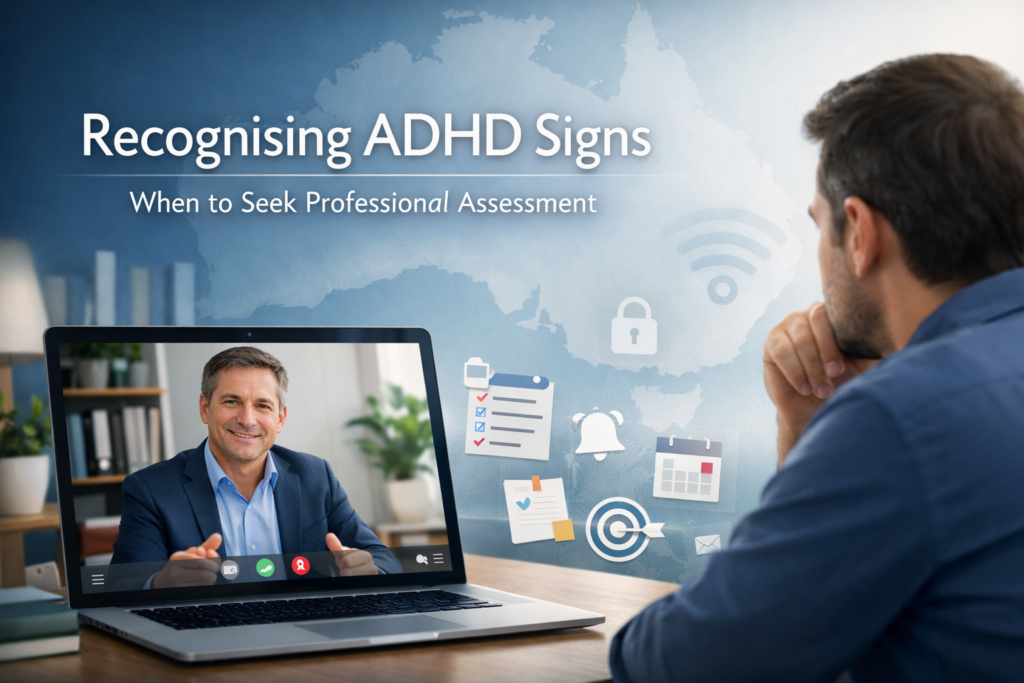
Many people associate Attention-Deficit/Hyperactivity Disorder (ADHD) with childhood behaviour, but the condition often continues into adolescence and adulthood. In Australia, increasing awareness has encouraged more people to learn about ADHD signs and seek support when symptoms begin affecting daily life.
ADHD is a neurodevelopmental condition that can influence attention, organisation, emotional regulation, memory, and impulse control. While occasional distraction or forgetfulness is normal, persistent challenges that interfere with work, study, relationships, or everyday responsibilities may indicate something more significant.
Recognising the early signs of ADHD is the first step towards understanding your experiences and accessing appropriate treatment. Whether you are a parent concerned about your child, an adult struggling with productivity, or someone who has always felt “different,” a professional assessment can provide valuable answers and guidance.
What Is ADHD?
ADHD is a neurodevelopmental disorder that affects how the brain manages attention, self-control, and executive functioning skills. These skills help individuals organise tasks, manage time, regulate emotions, and maintain focus.
ADHD is generally categorised into three presentations:
Predominantly Inattentive Presentation
People mainly experience difficulties with focus, organisation, and concentration.
Predominantly Hyperactive-Impulsive Presentation
Symptoms primarily involve excessive movement, restlessness, and impulsive behaviours.
Combined Presentation
Individuals experience both inattentive and hyperactive-impulsive symptoms.
ADHD affects people differently, which is why symptoms can sometimes go unnoticed or be mistaken for stress, anxiety, personality traits, or lifestyle factors.
Common ADHD Signs in Children
Children often display ADHD symptoms differently from adults. While some signs are easy to recognise, others may be subtle and develop gradually over time.
Difficulty Paying Attention
A child may:
- Struggle to focus during lessons
- Frequently lose track of instructions
- Make careless mistakes in schoolwork
- Become easily distracted by surrounding activities
- Have difficulty completing tasks
Frequent Forgetfulness
Children with ADHD may regularly:
- Forget homework assignments
- Misplace school supplies
- Lose personal belongings
- Forget daily routines
Excessive Fidgeting and Restlessness
Hyperactivity may appear as:
- Constant movement
- Difficulty sitting still
- Running or climbing in inappropriate situations
- Excessive talking
- Constantly leaving their seat
Impulsive Behaviour
Impulsivity often includes:
- Interrupting conversations
- Blurting out answers
- Difficulty waiting for turns
- Acting without considering consequences
While many children occasionally display these behaviours, persistent patterns across different settings such as home, school, and social environments may warrant further assessment.
ADHD Signs in Teenagers
Teenagers with ADHD often experience symptoms that become more noticeable as academic demands and social responsibilities increase.
Poor Time Management
Teenagers may:
- Frequently miss deadlines
- Struggle to prioritise tasks
- Leave assignments until the last minute
- Feel overwhelmed by school responsibilities
Emotional Challenges
ADHD can contribute to:
- Mood swings
- Frustration
- Low self-esteem
- Increased sensitivity to criticism
Academic Difficulties
Even highly intelligent teenagers may find it challenging to:
- Stay organised
- Follow complex instructions
- Complete long-term projects
- Maintain consistent academic performance
Social Struggles
Some teenagers experience:
- Difficulty maintaining friendships
- Interrupting conversations
- Misreading social cues
- Acting impulsively in social situations
Without proper support, these challenges can impact confidence and overall well-being.
ADHD Signs in Adults
Many adults receive an ADHD diagnosis later in life after years of struggling without understanding why certain tasks seem unusually difficult.
Chronic Disorganisation
Adults may experience:
- Cluttered workspaces
- Difficulty keeping track of appointments
- Forgotten responsibilities
- Poor planning skills
Trouble Maintaining Focus
Common challenges include:
- Difficulty concentrating during meetings
- Losing focus while reading
- Frequently switching between tasks
- Struggling to complete projects
Restlessness
Adult hyperactivity often looks different from childhood hyperactivity. Instead of running around, adults may experience:
- Internal restlessness
- Difficulty relaxing
- Constant mental activity
- Feeling driven to stay busy
Impulsive Decision-Making
Adults with ADHD may:
- Make purchases without planning
- Interrupt conversations
- Take risks without considering outcomes
- Act quickly during emotional situations
Emotional Regulation Difficulties
Many adults report:
- Irritability
- Frustration
- Low tolerance for stress
- Emotional overwhelm
These symptoms can affect careers, relationships, and personal wellbeing if left unmanaged.
Why ADHD Signs Are Often Missed
One reason ADHD frequently goes undiagnosed is that symptoms can vary significantly between individuals.
Symptoms Can Be Subtle
Not everyone with ADHD is hyperactive. Many people, particularly those with inattentive ADHD, may appear quiet while struggling internally with concentration and organisation.
Symptoms Overlap with Other Conditions
ADHD shares similarities with:
- Anxiety disorders
- Depression
- Stress-related conditions
- Learning difficulties
- Sleep disorders
As a result, symptoms may be attributed to other causes.
High-Functioning Individuals Can Mask Symptoms
Some people develop coping mechanisms that hide ADHD-related challenges. They may achieve academic or professional success while expending considerable effort to stay organised and focused.
This often delays diagnosis until symptoms become overwhelming.
When Should You Seek Professional Assessment?
Recognising ADHD signs is important, but not every symptom automatically indicates ADHD. A professional assessment can determine whether ADHD or another condition may be contributing to your difficulties.
Symptoms Affect Daily Functioning
Consider seeking assessment if symptoms consistently interfere with:
- Work performance
- Academic success
- Family responsibilities
- Relationships
- Personal goals
Challenges Have Been Present for a Long Time
ADHD symptoms typically begin during childhood, even if they are not recognised until later.
If you can identify long-standing patterns of inattention, impulsivity, or hyperactivity, professional evaluation may be beneficial.
Other explanations do not fully explain the symptoms
If stress management, lifestyle changes, or mental health support have not fully addressed your difficulties, ADHD may be worth investigating.
Family Members Have ADHD
ADHD often runs in families. A family history can increase the likelihood of ADHD occurring in other relatives.
What Happens During an ADHD Assessment?
Many Australians feel uncertain about what an ADHD assessment involves.
A comprehensive assessment typically includes:
Detailed Medical and Personal History
The clinician will discuss:
- Current symptoms
- Childhood experiences
- Educational history
- Work performance
- Family history
Symptom Questionnaires
Standardised assessment tools help identify patterns consistent with ADHD.
Review of Functional Impact
The assessment explores how symptoms affect:
- Daily responsibilities
- Relationships
- Academic performance
- Employment
Evaluation of Other Conditions
Because symptoms may overlap with other conditions, clinicians often assess for:
- Anxiety
- Depression
- Sleep disorders
- Learning difficulties
This helps ensure an accurate diagnosis and treatment plan.
The Benefits of Early Diagnosis
Receiving a diagnosis can be life-changing for many individuals.
Better Understanding of Yourself
A diagnosis often helps explain lifelong struggles and provides clarity about why certain tasks have felt unusually challenging.
Access to Evidence-Based Treatment
Treatment options may include:
- Medication
- Psychological support
- ADHD coaching
- Behavioural strategies
- Lifestyle adjustments
Improved Academic and Workplace Performance
Appropriate support can help individuals:
- Improve focus
- Increase productivity
- Strengthen organisational skills
- Manage time more effectively
Stronger Relationships
Understanding ADHD can improve communication and reduce misunderstandings within families, friendships, and workplaces.
Telehealth ADHD Assessments in Australia
Telehealth has transformed access to mental health care across Australia.
For individuals living in regional, rural, or busy metropolitan areas, telehealth offers a convenient way to connect with qualified clinicians without extensive travel.
Benefits include:
Greater Accessibility
Patients can attend appointments from home regardless of location.
Reduced Travel Time
Telehealth eliminates the need for lengthy commutes and waiting room visits.
Flexible Scheduling
Many people find online appointments easier to fit around work, study, and family commitments.
Continuity of Care
Ongoing reviews and treatment discussions can often be managed conveniently through telehealth consultations.
Services such as ExpertMinds help Australians access professional ADHD assessments and support through secure online consultations, making specialist care more accessible than ever.
How to Prepare for an ADHD Assessment
Preparing in advance can help ensure a productive consultation.
Document Your Symptoms
Keep notes about:
- Attention difficulties
- Organisational challenges
- Impulsive behaviours
- Emotional regulation concerns
Gather Relevant Information
Useful information may include:
- School reports
- Workplace feedback
- Previous medical records
- Family history
Consider Childhood Experiences
Since ADHD often begins in childhood, reflecting on early behavioural patterns can provide valuable insight.
Be Honest About Challenges
Accurate information helps clinicians make informed decisions and develop appropriate treatment recommendations.
Frequently Asked Questions About ADHD
Can ADHD Be Diagnosed in Adulthood?
Yes. Many adults receive their first diagnosis after recognising long-standing symptoms that have affected various aspects of life.
Is ADHD More Than Just Being Distracted?
Absolutely. ADHD affects executive functioning skills, including organisation, planning, emotional regulation, memory, and impulse control.
Can Women Have ADHD?
Yes. ADHD affects both males and females. However, women and girls are often underdiagnosed because symptoms may present differently and appear less disruptive.
Is Telehealth Suitable for ADHD Assessment?
For many Australians, telehealth provides a practical and effective way to access professional assessment and ongoing support.
Conclusion
Recognising ADHD signs early can make a significant difference to long-term wellbeing, academic achievement, workplace performance, and personal relationships. While occasional forgetfulness or distraction is part of everyday life, persistent symptoms that interfere with daily functioning deserve professional attention.
Whether you are a parent concerned about your child, a teenager struggling with school demands, or an adult seeking answers after years of challenges, a comprehensive assessment can provide clarity and direction. With telehealth services becoming increasingly accessible across Australia, obtaining professional support has never been more convenient.
Understanding ADHD is not about labelling yourself—it is about gaining the knowledge and support needed to thrive. If ADHD symptoms are affecting your life, seeking a professional assessment may be the first step towards meaningful and lasting improvement.